
What to check before buying an older property
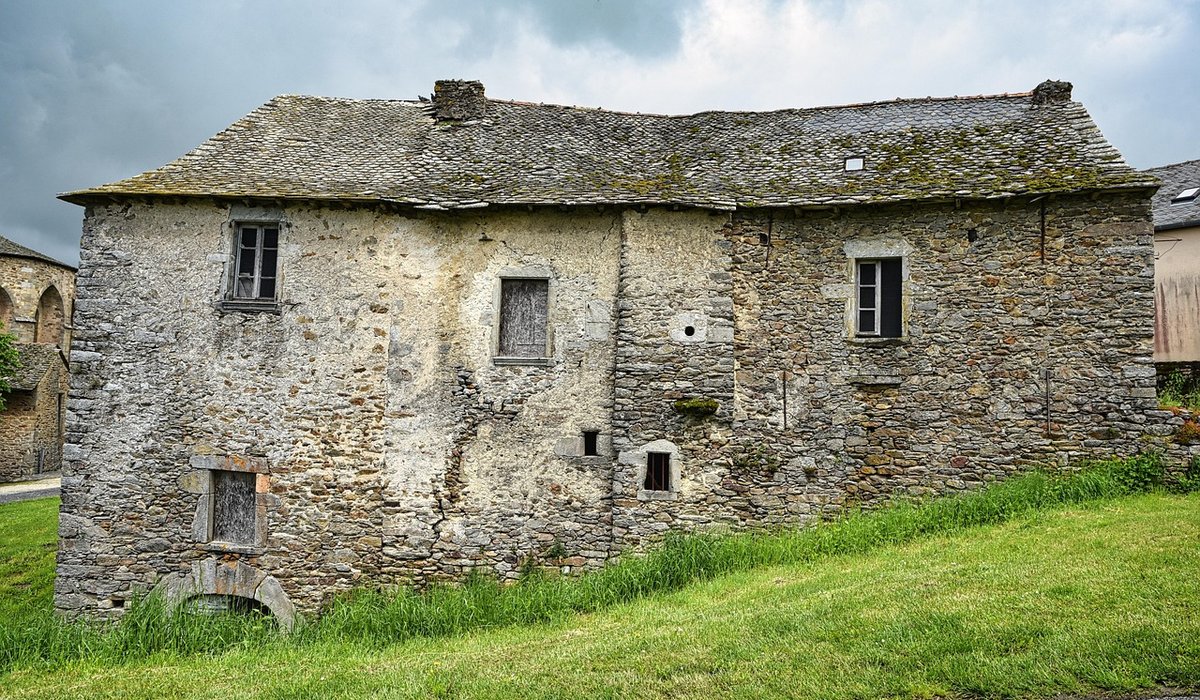
Older properties have a way of winning people over long before the survey lands on the doormat. That bay window, the deep skirting boards, the fireplace that someone unwisely painted white — charm is a powerful thing. But when you buy a period home, you are not just buying a style. You are taking on a structure that has spent a century or more absorbing weather, alterations and whatever the last owner thought was a good idea. The cosmetic stuff is the easy, cheap part. Here is what actually deserves your attention.
Why period houses need a different kind of check
A house built in 1890 was designed around materials that behave in a completely different way from modern ones. Solid brick walls, lime mortar, lath and plaster and suspended timber floors all need to breathe. When someone smothers them in cement render, gypsum plaster or waterproof masonry paint, moisture gets trapped and has nowhere to go. That is not a theoretical concern — it is the root cause of a huge proportion of problems in older housing stock.
This matters when you are viewing, because a well-decorated period property can hide serious defects behind fresh paint. Ask how long ago the rooms were decorated, and be quietly suspicious if a whole house was repainted shortly before going on the market. Look for tell-tale stains bleeding through, paper that has started to lift, or a painted skirting board that feels soft at the bottom.
Damp: get real readings, not just opinions
Damp is the single most common issue in older UK homes, and it is also the most commonly misdiagnosed. There are three distinct types, and they need very different responses:
- Rising damp — relatively rare in practice, usually linked to a failed or bridged damp-proof course, high external ground levels or a blocked air brick.
- Penetrating damp — water getting in through the fabric: cracked render, failed pointing, leaking gutters, a chimney with no cap.
- Condensation — the most frequent culprit, caused by warm moist air meeting a cold solid wall, often made worse by modern windows, blocked vents and too little ventilation.
Take actual readings rather than relying on a smell or a patch. A calibrated moisture meter should generally show plaster in the region of 0.5 to 2 per cent; anything above roughly 5 per cent suggests genuine moisture ingress rather than atmospheric dampness. Timber is different — readings above about 20 per cent are where rot becomes a real risk. If a damp specialist is telling you a whole wall needs injecting, ask what evidence they have that it is rising damp and not condensation. A second opinion from someone who does not sell remedial work is always money well spent.
The roof, gutters and everything that carries water away
Roofs are expensive, and sellers know it. Look at the roof from across the street, not just from the front door. Slate and clay tiles can last a very long time, but individual slipped or cracked tiles, perished mortar on ridge and hip lines, and crumbling pointing all point to work that needs doing sooner rather than later.
Then check the bits people forget:
- Chimney stacks — are the pots sound, is the flashing at the base of the stack intact, has the stack been removed without properly capping and supporting it?
- Gutters and downpipes — cast iron and older uPVC alike. Look for staining on the wall directly below a joint, and check hopper heads are not overflowing.
- Valleys and parapets on any part of the roof where two slopes meet.
- Loft space — take a torch up there if you can. Look for daylight, stained timbers, sagging felt and any sign of water tracking along rafters.
Visit the property in heavy rain if you possibly can. It is remarkable how much a downpour reveals about drainage, guttering and how water behaves around the ground floor.
Structure, movement and the timber frame underneath
Almost every old house has moved a little, and hairline cracks in plaster are usually nothing to worry about. What concerns a surveyor is pattern and progression: diagonal cracks around window and door openings, cracks wider than about 5mm, or a door frame that has visibly twisted away from the wall. Look for repaired cracks too — if the same area has been patched more than once, something is still moving.
Inside, check the floors. Bouncy or sloping floors in a period property may simply be age, but soft patches around a bath, shower or radiator usually mean leaking water has reached the joists. Press a screwdriver into any timber that looks dark or stained; if it sinks in easily, you are looking at wet rot. Woodworm holes are common and often historic, but fresh dust beneath them means active infestation.
Services, paperwork and the costs nobody budgets for
Services are where older homes quietly drain money. Old fuse boxes, insufficient earthing, lead pipework, a boiler long past its efficient years, asbestos in Artex or floor tiles, and single-glazed sash windows all add up. None of these are deal-breakers on their own, but they are rarely cheap.
Before you commit, confirm the practical details as well as the physical ones:
- Is the property listed, or within a conservation area? If so, repairs and alterations may need consent, and materials may be specified.
- Have any previous works had building regulations sign-off? Loft conversions, extensions and chimney removals should all have paperwork.
- Has the property flooded, and is it in a flood risk area?
- Are there any rights of way, shared drains or boundary disputes that could cause trouble later?
Finally, commission a proper building survey rather than relying on a mortgage valuation, which only tells the lender whether the property is adequate security. And set aside a contingency of at least 10 to 20 per cent of your renovation budget. In an older house, something unexpected always turns up once the floorboards come up — and the difference between a project you enjoy and one that breaks you is usually whether you planned for it.


Gravel borders, evergreen shrubs and automatic irrigation reduce weekly chores while keeping outdoor spaces tidy and welcoming all year round.
Prepare a level surface, use waterproof adhesive and spacers, then seal grout carefully to prevent moisture damage behind tiles.
Building regulations cover fire safety, insulation, head height and structural support, so appoint a competent designer before work starts.
Reduce costs by keeping the footprint simple, reusing existing openings and ordering materials early to avoid premium prices.